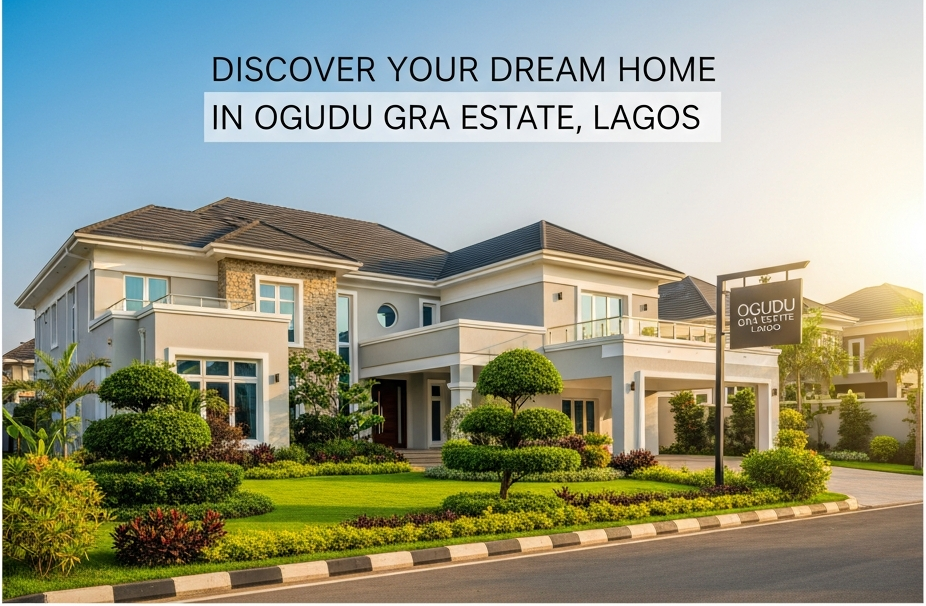
Explore Lagos Neighborhoods: A Real Estate Guide to Where to Live, Invest and Buy Property
 SM
SM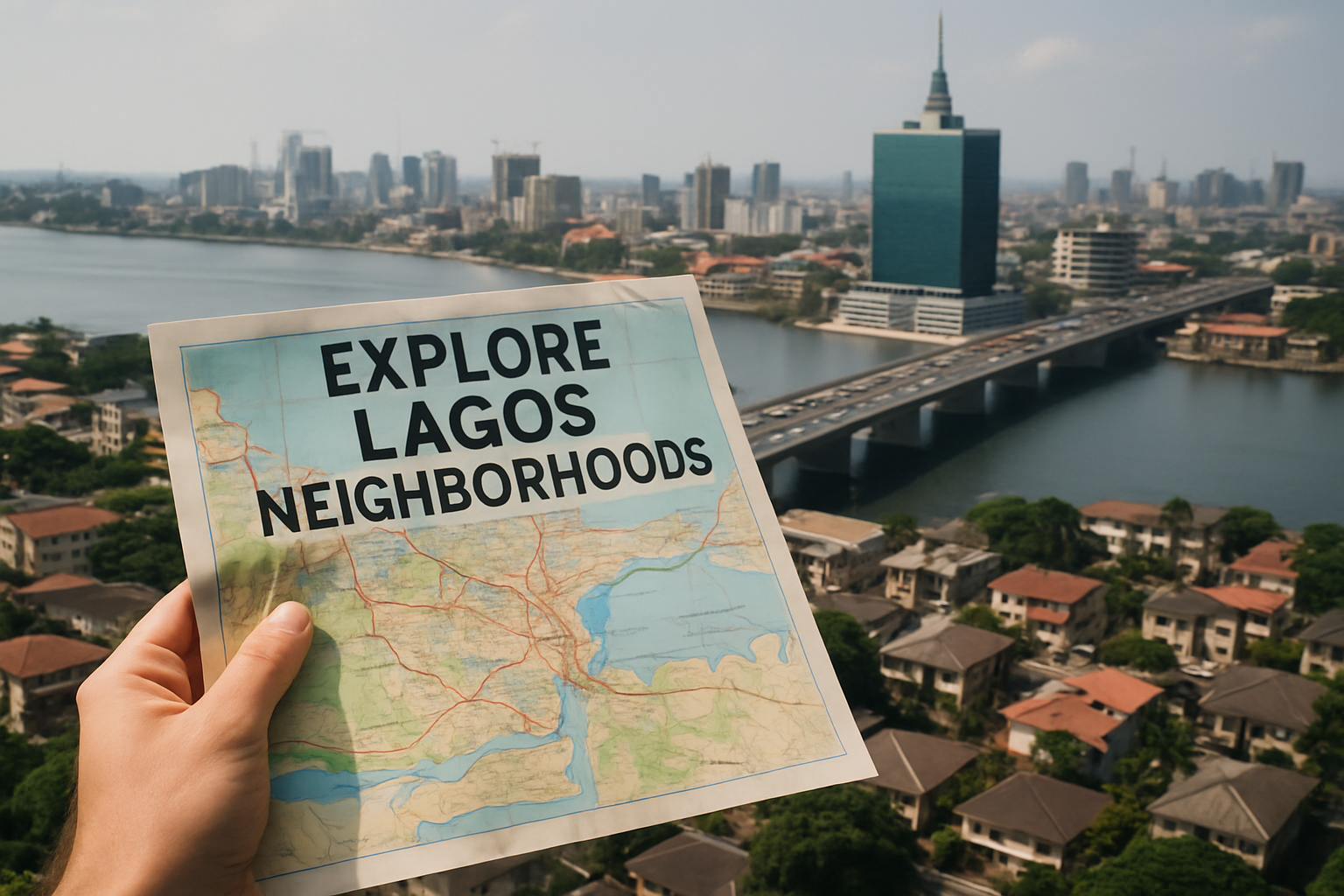
Explore Lagos neighborhoods and one thing becomes clear fast: Lagos is not one market. It is a patchwork of islands, mainland districts, gated estates, older commercial corridors, waterfront enclaves, and fast-growing suburban communities that all behave differently. For buyers, renters, and investors, that matters. A two-bedroom apartment in Ikoyi serves a very different lifestyle and return profile than a terrace in Lekki, a family home in Ikeja, or a rental unit in Yaba.
This guide breaks down the neighborhoods that shape Lagos real estate today. You’ll find practical context on pricing tiers, lifestyle fit, infrastructure, commute realities, and investment potential, so you can narrow your options with more confidence. Whether you are relocating, buying your first home, or looking for the next growth corridor, understanding how Lagos neighborhoods work is the first smart move.
Why Lagos Neighborhood Choice Matters in Real Estate
Lagos is Nigeria’s commercial center and one of Africa’s largest urban economies. According to the World Bank overview of Nigeria, the country’s urban growth and economic concentration continue to shape demand for housing, transport, and infrastructure. In Lagos, that demand is intensely local. A neighborhood’s value is tied not just to the house itself, but to road access, flood risk, power reliability, school options, security, and how long it takes to get anywhere on a weekday.
That is why two homes with similar square footage can perform very differently.
When people explore Lagos neighborhoods for property, they are usually balancing five things:
Budget and affordability
Commute and traffic exposure
Security and estate management
Rental demand and resale potential
Infrastructure quality, especially roads and drainage
For owner-occupiers, lifestyle fit often comes first. For investors, tenant profile and occupancy rates matter more. In both cases, location still drives the decision.
A useful way to think about Lagos is to divide it into broad real estate zones:
Premium Island markets such as Ikoyi and Victoria Island
Mid-to-upper market growth zones such as Lekki Phase 1 and Ajah
Mainland family and commercial hubs such as Ikeja, Surulere, and Yaba
Emerging suburban corridors including Sangotedo, Ibeju-Lekki, and parts of Ogun-border communities
Each zone has a different risk-reward profile. Lagos property buying checklist
Ikoyi, Victoria Island and Lekki: Premium Lagos Neighborhoods
If your priority is prestige, proximity to corporate offices, and high-end housing stock, these are the neighborhoods most buyers start with.
Ikoyi: prestige, privacy, and premium pricing
Ikoyi remains one of the most exclusive addresses in Lagos. It is known for embassies, luxury apartments, detached homes, waterfront developments, and tightly controlled residential streets. The appeal is obvious: lower density in some pockets, stronger security presence, and a reputation that supports long-term value.
Ikoyi tends to attract:
Executives and diplomats
High-net-worth buyers
Investors targeting premium rentals
Families seeking quiet, gated environments
The trade-off is price. Entry costs are high, service charges in upscale developments can be significant, and buyers need to scrutinize title documentation and building quality carefully. In premium submarkets, a polished brochure is not enough. Ask about drainage, sinking-fund structure, occupancy level, and power arrangements.
Victoria Island: business access and mixed-use appeal
Victoria Island, often shortened to VI, blends residential and commercial demand. It is home to corporate offices, hospitality, restaurants, nightlife, and luxury apartments. For professionals who want to live close to work, VI can be practical despite congestion.
Real estate in VI is shaped by mixed-use pressure. Some streets feel residential; others are clearly commercializing. That creates opportunity for investors interested in:
Short-let apartments
Corporate leases
Mixed-use redevelopment
Office-to-residential conversion plays
The caution here is livability. Noise, traffic, and commercial activity can reduce the appeal of some blocks for full-time family living. Street-by-street due diligence matters more in VI than many first-time buyers expect.
Lekki Phase 1: the middle ground many buyers want
Lekki Phase 1 often hits the sweet spot between status and usability. It offers gated estates, retail access, restaurants, schools, and a strong mix of apartments, terraces, and detached homes. It is popular with upwardly mobile professionals, young families, diaspora buyers, and investors targeting steady rental demand.
What makes Lekki Phase 1 attractive is its flexibility. You can find:
Compact apartments for rental income
Family homes in secure estates
New-build terraces with modern finishes
Properties suitable for short lets in select locations
Still, traffic in and out of Lekki is a real factor. Buyers should not just inspect the property at noon on a Saturday. Visit during weekday rush hour. That single step can change your decision.
Ikeja, Yaba and Surulere: Mainland Neighborhoods With Strong Demand
Not every smart Lagos property decision is on the Island. In fact, many buyers find better value, stronger practical livability, and more resilient rental demand on the Mainland.
Ikeja: organized, central, and consistently relevant
As the Lagos state capital and a major business hub, Ikeja offers a balanced real estate proposition. Areas such as Ikeja GRA, Maryland-adjacent zones, and parts of Allen or Opebi attract both residential and commercial interest. The neighborhood benefits from road connectivity, airport access, schools, hospitals, and established infrastructure.
Ikeja works especially well for:
Families who want central access
Professionals commuting across Lagos
Investors seeking stable year-round rental demand
Buyers who prefer mature neighborhoods over frontier markets
For many households, Ikeja feels more practical than trend-driven. You may not get the same waterfront cachet as Ikoyi, but you often get stronger daily convenience.
Yaba: youth, tech, and compact investment opportunities
Yaba has developed a reputation as Lagos’s tech and education corridor, helped by its proximity to institutions, startups, and commercial activity. Best areas in Lagos for rental property investment This creates a tenant base that includes students, young professionals, founders, and service workers.
That demand supports several property strategies:
Studio and one-bedroom rentals
Shared apartments
Mid-range apartments for young professionals
Small mixed-use developments
Yaba is not a luxury market, but it can be a smart yield market if you buy well. The key is understanding the micro-location. Properties close to transport links and commercial nodes tend to outperform those on weaker internal roads.
Surulere: established, lively, and still attractive
Surulere remains one of Lagos’s best-known residential districts, with a blend of older family homes, apartment blocks, entertainment spots, and local commerce. It appeals to buyers who want a neighborhood with character rather than a newly built estate with little street life.
Its strengths include:
Relative centrality
Strong cultural identity
Broad tenant demand
More moderate entry points than premium Island districts
Some parts of Surulere require renovation-focused thinking. Older stock can be a drawback if you want move-in-ready luxury, but it can also create value-add opportunities for buyers willing to upgrade and reposition a property.
Ajah, Sangotedo and Ibeju-Lekki: Growth Corridors to Watch
For buyers priced out of core Island neighborhoods, the eastern corridor offers a different proposition: more land, newer estates, and future-facing growth.
Ajah: the gateway market
Ajah is often the first step beyond Lekki for buyers seeking lower entry prices without leaving the Island axis entirely. It has seen years of residential expansion, especially through gated estates and mid-market developments.
Ajah appeals to:
First-time homebuyers
Families upgrading from renting
Investors targeting middle-income tenants
Buyers seeking more space for the money
The upside is affordability relative to Lekki Phase 1. The downside is infrastructure inconsistency. Drainage, road conditions, and traffic bottlenecks can vary sharply. A house inside a well-managed estate may feel worlds apart from one just a few streets away.
Sangotedo: newer estates and family-oriented appeal
Further along the corridor, Sangotedo has become a serious residential option. The area benefits from newer housing developments, retail growth, and a more suburban feel. For many families, it offers a better space-to-price ratio than central Lagos.
This is where practical questions matter:
Is the estate occupied or mostly speculative?
What is the power setup?
How reliable is drainage during heavy rain?
How far are schools, supermarkets, and healthcare?
These details affect both comfort and resale value. In emerging neighborhoods, management quality often matters as much as location.
Ibeju-Lekki: long-term speculation and strategic patience
Ibeju-Lekki is one of the most talked-about growth corridors in Lagos because of major infrastructure and industrial activity in the broader axis. The Lagos Free Zone official site and the Lekki Deep Sea Port official site have helped focus investor attention on the area’s long-term potential.
That said, Ibeju-Lekki is not a uniform market, and it is not a quick-win location for every buyer. Some plots are bought purely on speculation. Others sit near projects that may improve future demand. The gap between marketing promises and on-ground reality can be wide.
If you are considering Ibeju-Lekki:
Verify title thoroughly
Confirm exact proximity to real infrastructure, not brochure maps
Understand your holding period
Avoid buying solely on hype
For patient investors, it may offer upside. For someone who needs immediate rental income, it may be the wrong fit.
What to Check Before You Buy in Any Lagos Neighborhood
Once you narrow your shortlist, the next stage is less glamorous and more important. Lagos rewards careful buyers.
1. Title and legal verification
Never assume a property is clean because it is in a popular neighborhood. Confirm title documents through a qualified property lawyer and relevant government processes. The Lagos State Lands Bureau is a useful starting point for understanding land administration and documentation.
At minimum, verify:
Title type
Survey plan
Seller authority
Encumbrances or disputes
Building approvals where relevant
2. Flood risk and drainage
Flooding is a practical issue in several parts of Lagos, especially during heavy rains. Even attractive estates can have weak drainage. The Nigerian Meteorological Agency provides seasonal climate information that can help buyers think more realistically about weather patterns and risk.
Do not rely on dry-season inspections alone. Ask residents what happens in peak rainy months. Better still, visit after rainfall.
3. Infrastructure and service charges
A beautiful apartment with poor power, weak water supply, and chaotic facility management can become expensive very quickly. Ask for a breakdown of:
Service charge history
Power arrangements
Water source and treatment
Waste management
Security structure
Road maintenance responsibility
4. Tenant and resale profile
If you are buying to invest, think beyond your own taste. Who exactly will rent or buy this property later? A sleek duplex in a low-demand pocket may underperform a simpler apartment in a stronger rental corridor.
Good investors match property type to neighborhood demand.
How to Choose the Right Lagos Neighborhood for Your Goal
The best neighborhood depends on what you want the property to do for you.
If you want a home to live in
Prioritize daily life over prestige. A manageable commute, reliable roads, decent schools, and strong estate management often matter more than a fashionable postcode after the first few months.
A practical shortlist might look like this:
Ikoyi for premium family living
Lekki Phase 1 for balanced Island lifestyle
Ikeja for central convenience
Sangotedo for space and newer estates
If you want rental income
Focus on tenant depth, not just property aesthetics. Areas with broad, recurring demand usually outperform highly speculative locations.
Common investor picks include:
Yaba for compact units and young professionals
Lekki Phase 1 for mid-to-upper market rentals
Ikeja for stable professional demand
Ajah for middle-income tenant pools
If you want long-term appreciation
Look for infrastructure, population movement, and commercial expansion. This is where emerging corridors can make sense, but only if you are comfortable with uncertainty and longer timelines.
Potential appreciation-focused areas often include:
Ibeju-Lekki
Sangotedo
Select parts of Ajah
Redevelopment pockets in Surulere and Yaba
The smartest buyers often compare at least three neighborhoods before making an offer. Questions to ask before buying property in Lagos
Frequently Asked Questions
What is the best neighborhood to live in Lagos?
There is no single best neighborhood. Ikoyi suits luxury buyers, Lekki Phase 1 offers a strong lifestyle mix, Ikeja is practical and central, and Sangotedo can work well for families seeking more space at a lower price point.
Which Lagos neighborhood is best for property investment?
It depends on your strategy. Lekki Phase 1 and Ikeja often attract stable rental demand, Yaba can work for smaller income-producing units, and Ibeju-Lekki is more of a long-term appreciation play.
Is the Mainland better than the Island in Lagos?
Not better in every case, but often better value. The Mainland can offer stronger practicality, lower entry prices, and easier access to established commercial areas. The Island tends to command more prestige and higher pricing.
Is Ajah a good place to buy property?
Yes, for many buyers. Ajah can offer more affordable entry points than central Island districts and has broad middle-income housing demand. The main caution is infrastructure quality, which varies significantly by estate and street.
What should I check before buying property in Lagos?
Start with title verification, flood risk, drainage, access roads, power setup, service charges, and neighborhood demand. Also inspect the property during busy traffic periods and, if possible, during the rainy season.
Is Ibeju-Lekki worth investing in now?
It can be, but it is not a guaranteed short-term win. Buyers should treat it as a strategic, long-horizon market and verify every claim about location, title, and nearby infrastructure before committing.
Conclusion
To explore Lagos neighborhoods well is to understand that every district solves a different problem. Ikoyi offers exclusivity, Victoria Island offers proximity to business, Lekki balances lifestyle and demand, Ikeja delivers practical centrality, Yaba and Surulere provide strong Mainland opportunities, and the Ajah-to-Ibeju-Lekki corridor opens the door to growth-focused buying.
The right choice comes down to your budget, timeline, risk tolerance, and daily needs. Before you buy, shortlist neighborhoods, inspect them at different times, verify all documents, and match the property to a clear goal. If you are serious about buying or investing, the next step is simple: compare three target areas side by side and build your decision around facts, not marketing.