Exploring the Cities of Abuja
 SM
SM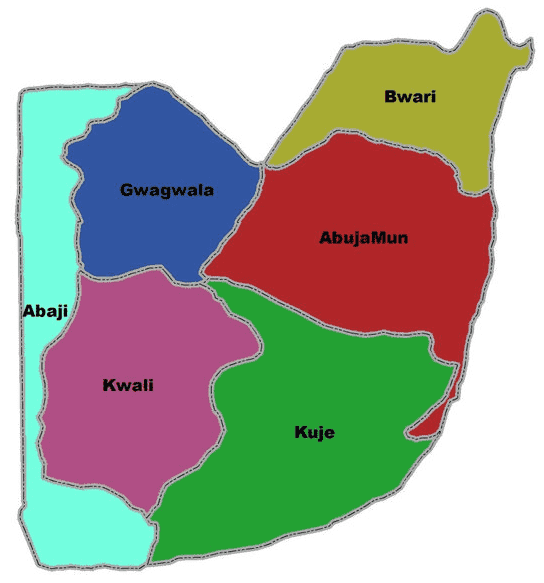
Welcome to Abuja, the heart of Nigeria and its purpose-built capital since 1991. More than just a city, Abuja is the Federal Capital Territory (FCT), a unique administrative zone carved out from surrounding states. This distinction is crucial to understanding its layout. While people often search for a "city in Abuja," the reality is a bit more complex. The FCT isn't a state with multiple cities in the traditional sense; instead, it's a meticulously planned territory composed of a central capital city and numerous surrounding towns and settlements.
This guide aims to demystify the urban landscape of the FCT. We will explore what constitutes the "cities" and major towns within Abuja, providing a clear and comprehensive list for residents, visitors, and anyone curious about Nigeria's capital. Whether you're navigating its bustling commercial hubs or serene residential districts, this article will serve as your informative companion to the vibrant and diverse localities that make up the Federal Capital Territory.
Key Takeaways
Abuja is a Federal Capital Territory (FCT), not a state, and is divided into six administrative Area Councils.
The "city of Abuja" primarily refers to the Federal Capital City (FCC), which is located within the Abuja Municipal Area Council (AMAC).
The FCT is composed of the FCC and numerous satellite towns, major settlements, and developing areas that support the capital.
Major urban districts like Wuse, Maitama, Asokoro, and Garki are the commercial and residential powerhouses of the FCC.
Satellite towns like Lugbe, Kuje, and Gwagwalada are experiencing rapid growth and are crucial to the FCT's expansion.
Understanding the distinction between the FCT and the FCC is key to navigating the region's unique administrative and geographical structure.
Understanding Abuja's Unique Structure: How Many 'Cities' Are There?
A common question is, "How many cities exist in Abuja?" The answer requires understanding the difference between Abuja, the capital city, and Abuja, the Federal Capital Territory (FCT). The FCT is the entire 7,607-square-kilometer territory. Within this territory lies the Federal Capital City (FCC), which is the core, planned urban center that most people recognize as "Abuja." This city itself is not a standalone entity but is primarily situated within one of the FCT's main administrative divisions.
The FCT is divided into six Area Councils, which function similarly to Local Government Areas (LGAs) in other Nigerian states. These councils are the primary units of local administration and grassroots development. While there is only one designated federal capital city, many of the large, urbanized settlements and satellite towns within these area councils are colloquially referred to as cities due to their size, population, and economic activity.
The six Area Councils that form the administrative backbone of the FCT are:
Abuja Municipal Area Council (AMAC): The most central and economically active council, housing the FCC.
Bwari Area Council: A major hub for education and home to significant satellite towns like Kubwa.
Gwagwalada Area Council: Known for its academic institutions, including the University of Abuja.
Kuje Area Council: Often called the "food basket of Abuja," due to its agricultural significance and is a rapidly growing residential area.
Kwali Area Council: Famous for its traditional pottery, including the work of the world-renowned potter Dr. Ladi Kwali.
Abaji Area Council: The gateway to the FCT from the southern parts of Nigeria.
Therefore, while Nigeria has only one capital city named Abuja, the FCT contains a multitude of urban and semi-urban centers that function as the major towns and hubs of their respective area councils.
Key Urban Centers: Discovering Abuja's Major Towns
Within the Federal Capital City, several districts have grown into prominent urban centers, each with its own distinct character and function. These areas are the engine rooms of Abuja's economic, social, and political life. They represent the core of the master plan and are what many consider the "major towns in Abuja."
Central Business District (CBD): As the name implies, this is the formal heart of Abuja. It houses the headquarters of major corporations, financial institutions, and key government buildings, including the Three Arms Zone (Presidential Villa, National Assembly, and Supreme Court).
Wuse: A vibrant and bustling district, Wuse is a major commercial and residential hub. It's famous for the Wuse Market, one of the city's largest, and is packed with shops, restaurants, and hotels.
Maitama: Known for its affluence and serenity, Maitama is one of Abuja's most upscale residential districts. It features large, beautiful homes, embassies, and high-end boutiques, offering an exclusive and secure environment.
Asokoro: Another highly exclusive area, Asokoro is home to many government officials, state lodges, and diplomatic residences. Its well-planned, leafy streets and high level of security make it one of the most sought-after locations.
Garki: One of the first districts to be developed, Garki is a well-established area that blends residential and commercial functions. It is divided into different "Areas" (e.g., Area 1, Area 2) and hosts numerous government offices, markets, and cultural centers.
Jabi: This district is rapidly growing around the scenic Jabi Lake. It's a popular recreation spot and home to Jabi Lake Mall, a major shopping and entertainment destination. Its blend of residential areas and commercial facilities makes it a lively neighborhood.
Utako: Known for its major transportation hub, Utako is a busy district with a large market and numerous transport companies connecting Abuja to the rest of the country. It also features a mix of residential and commercial properties.
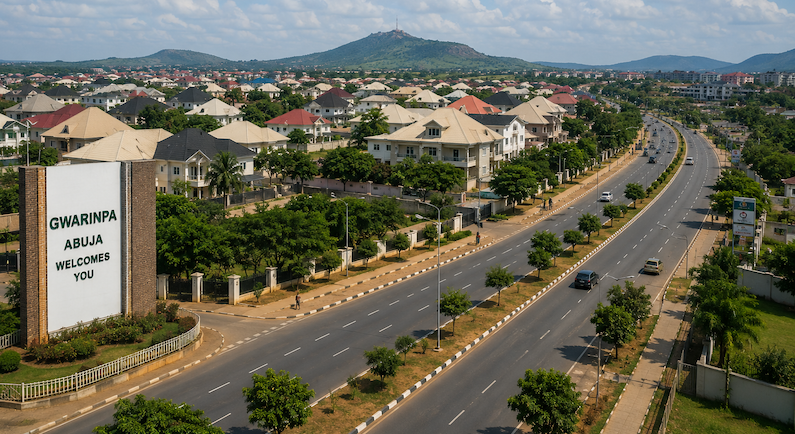
Gwarinpa: This district is famous for housing the Gwarinpa Housing Estate, one of the largest single housing estates in West Africa. It's a sprawling, densely populated residential area with a life of its own, complete with markets, schools, and other essential amenities.
Beyond these core districts, the FCT relies on "satellite towns." These are communities located outside the FCC that provide housing and support for the city's growing population. Towns like Kubwa, Nyanya, Lugbe, and Kuje play a vital role in the FCT's ecosystem, absorbing much of the residential demand and developing into significant urban centers themselves.
A Comprehensive Overview: List of Cities and Settlements in Abuja
To provide a clear picture of the urban landscape, here is a list of cities in Abuja and other significant settlements, organized by their respective area councils. This overview implicitly covers the top 20 cities in Abuja by including the most prominent and well-known locations across the FCT.
Abuja Municipal Area Council (AMAC): This is the most developed and populous council.
Districts (FCC): Central Area, Garki, Wuse, Maitama, Asokoro, Jabi, Utako, Gwarinpa, Guzape, Gudu, Durumi, Mabushi, Katampe.
Suburban Settlements/Satellite Towns: Kubwa, Nyanya, Karu, Lugbe, Lokogoma, Apo, Galadimawa, Mpape, Idu, Karshi, Jikoyi. These range from densely populated residential areas to industrial zones.
Bwari Area Council: Known for its educational institutions and diverse landscape.
Key Settlements: Bwari (the council headquarters), Dutse Alhaji, Ushafa (home to a famous pottery center), Byazhin, Dawaki, and Mpape. Many of these are major residential areas for the FCT's workforce.
Gwagwalada Area Council: A major academic and commercial hub in the FCT.
Key Settlements: Gwagwalada town (a large, bustling urban center); Zuba (known for its fruit market and proximity to the Abuja-Lokoja expressway); Dobi, Izom, and Paikon Kore.
Kuje Area Council: A fast-growing area known for agriculture and new residential developments.
Key Settlements: Kuje (the main town and administrative center), Rubochi, Gaube, Gudun Karya, Kwaku. Its proximity to the airport has spurred significant growth.
Kwali Area Council: Rich in culture and natural resources.
Key Settlements: Kwali (headquarters, famous for pottery), Sheda, Yangoji, Pai, Dafa. These areas are more semi-rural, with a focus on agriculture and traditional crafts.
Abaji Area Council: The southernmost council, serving as a transit hub.
Key Settlements: Abaji (the primary town), Nuku, Gurara, Gawu, Yaba. It's a key link between the FCT and neighboring states like Kogi.
Beyond the Capital: What Makes Abuja's Localities Special?
The diverse towns and settlements across Abuja are defined by a unique blend of intentional design and organic growth. The Federal Capital City itself is a testament to meticulous urban planning, guided by a master plan that laid out distinct zones for government, commerce, and residential living. This has resulted in wide roads, green spaces, and a sense of order not commonly found in other major Nigerian cities.
Infrastructure is a key differentiator. The central districts boast well-maintained roads, reliable utilities, and modern public services. As you move into the satellite towns and developing areas, the infrastructure is still expanding, with the government actively working on new road networks and amenities to support the booming population. This ongoing development is a sign of the FCT's dynamic nature, with constant investment transforming suburban landscapes.
One of Abuja's most defining characteristics is its cultural diversity. As the nation's capital, it is a melting pot where people from all of Nigeria's ethnic groups live and work together. This creates a cosmopolitan atmosphere, evident in its food, music, and social life. The lifestyle varies dramatically from one area to another. You can find the fast-paced, high-end living of Maitama and Asokoro, the bustling commercial energy of Wuse, the dense, community-focused life in Gwarinpa and Kubwa, and the quieter, more agrarian pace in the outer councils like Kwali and Abaji. This variety offers a living experience for every socio-economic background, making the FCT a true reflection of the nation.
Frequently Asked Questions About Abuja's Urban Landscape
What is the difference between Abuja City and Abuja FCT?
Abuja, FCT (Federal Capital Territory), is the entire administrative territory covering about 7,607 square kilometers. Abuja City, or the Federal Capital City (FCC), is the planned capital city located within the FCT, primarily inside the Abuja Municipal Area Council (AMAC).
Are there actual "cities" in Abuja outside the capital?
While there are no other formally designated "cities," many large satellite towns like Kubwa, Gwagwalada, Kuje, and Nyanya function as self-sustaining urban centers. They have large populations, extensive commercial activities, and their own local administrative structures, making them cities in a practical sense.
Which is the largest area council in Abuja?
This can be measured in two ways. By population and economic activity, the Abuja Municipal Area Council (AMAC) is the largest. In terms of landmass, Kuje Area Council is often cited as the largest, spanning approximately 1,644 square kilometers.
What are the fastest-growing areas in Abuja?
Several areas are experiencing rapid development. Lugbe is a major powerhouse due to its proximity to the airport and city center. Kuje is also expanding quickly, driven by affordable land and infrastructure projects. Other fast-growing neighborhoods include Gwagwalada, Katampe Extension, and Apo, which are attracting significant real estate investment.
What is the population of Abuja's major towns?
Official census data is not frequently updated, but projections provide strong estimates. The Abuja Municipal Area Council (AMAC), which includes the core city districts, has an estimated population of over 2 million as of 2026. The entire FCT has a population of over 4 million. Satellite towns like Gwagwalada and Kuje have populations in the hundreds of thousands and are growing rapidly.