Inside Lagos Living: What ₦500k, ₦2M, ₦5M, and ₦10M Rent Gets You in 2026
 SM
SM
By the time you finish reading this, someone in Lagos has just signed a tenancy agreement they can barely afford—and someone else just got priced out of a neighborhood they've lived in for five years.
That is Lagos. It does not slow down for you.
If you are relocating, upgrading, or simply trying to understand what your money is genuinely worth in this city right now, this breakdown is for you. No sugarcoating. No estate agent spin. Just an honest look at what the Lagos rental market looks like in 2026 — at four very different budgets.
₦500,000/Year — Surviving Lagos
Let's be honest: half a million naira per year in Lagos in 2026 is a hustle budget. With naira pressure and landlord boldness reaching new highs, this price point has been pushed further and further from the city centre.
At ₦500k, you are likely looking at:
A self-contained apartment or a room-and-parlour in areas like Ikorodu, Iyana-Ipaja, Agege, Ijoko, or Mowe.
Shared facilities are common — expect to negotiate bathroom and kitchen arrangements.
Infrastructure is basic. Constant electricity is a luxury. You will need a generator or inverter budget on top of your rent.
Commute times can stretch to two to three hours daily into Lagos Island or Victoria Island. Factor that cost — both financial and human — into your decision.
Who lives here? Students. Fresh corpers. First-generation Lagos movers. People making sacrifices now to build something later. There is no shame in it. Lagos has always been a city you grow with.
Verdict: It is shelter. It is a starting point. But budget for transport and utilities — or the savings disappear fast.
₦2,000,000/Year — The Middle Ground
Two million naira a year is where a large chunk of Lagos's working class actually lives — the teachers, civil servants, mid-level private sector workers, and small business owners who keep this city running.
At this budget, your options open up considerably:
A decent one-bedroom or two-bedroom flat in Gbagada, Surulere, Yaba, Ojodu-Berger, Ogba, or parts of Lekki Phase 2 and Ajah.
You are likely getting a proper apartment to yourself — your own bathroom, your own kitchen, a little breathing room.
Expect epileptic PHCN supply, but most buildings at this level have a functioning borehole and a shared generator arrangement (you will still pay for diesel separately).
Proximity to expressways and bus routes makes commuting manageable, if not pleasant.
The catch? Landlords in these areas increasingly demand one to two years upfront. If you are paid monthly, this is where the rent stress really begins. Many people at this tier are borrowing money — from family, cooperative, or salary advance — just to secure a place.
Verdict: Comfortable but stretched. The real challenge is not the rent itself — it is pulling that lump sum together at once.
₦5,000,000/Year — Living with Some Ease
At five million naira annually, you have arrived at what many Lagosians privately refer to as "breathing money." You are not rich by Lagos standards, but you are no longer in survival mode.
Here is what this budget unlocks:
A two to three-bedroom flat in Lekki Phase 1, Ikeja GRA, Maryland, Oniru, Osapa London, or Chevron.
Estates with functional security, a gate, and a compound that does not double as a car park.
Many apartments at this level come with a dedicated generator and water supply — not guaranteed, but increasingly standard.
Proximity to good schools, hospitals, and retail matters more at this tier, and the location choices reflect that.
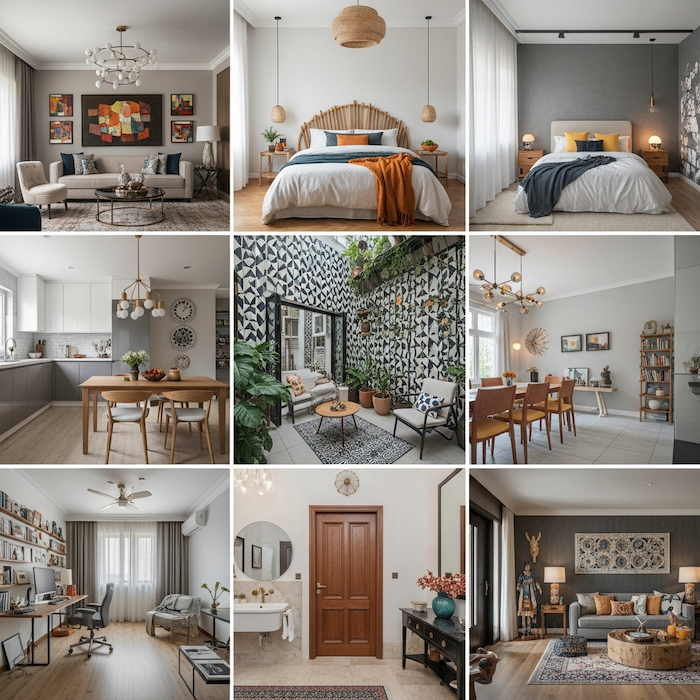
You will find this is where the Lagos middle class with ambition clusters. The flats are not luxurious, but they are comfortable. You can host people without embarrassment. Your commute is shorter. The stress drops — at least the housing-related variety.
Some landlords here are more structured: you may deal with property management companies rather than an individual landlord, which brings slightly more accountability (and slightly more bureaucracy).
Verdict: A genuinely comfortable Lagos life. The sweet spot for professionals who have been in the city long enough to grow their earnings.
₦10,000,000/Year — Premium Lagos
Ten million naira per year is where the conversation changes entirely. You are no longer asking "what can I afford?" — you are asking "what do I actually want?"
At this level:
A three to four-bedroom apartment or a serviced flat in Banana Island, Ikoyi, Victoria Island, Eko Atlantic, Lekki Phase 1 (high-end), or Maitama equivalent neighbourhoods.
Serviced apartments at this tier often include 24-hour electricity, concierge, gym, swimming pool, and dedicated parking.
You are dealing almost exclusively with professional property management firms. Agreements are formal. Maintenance is (mostly) responsive.
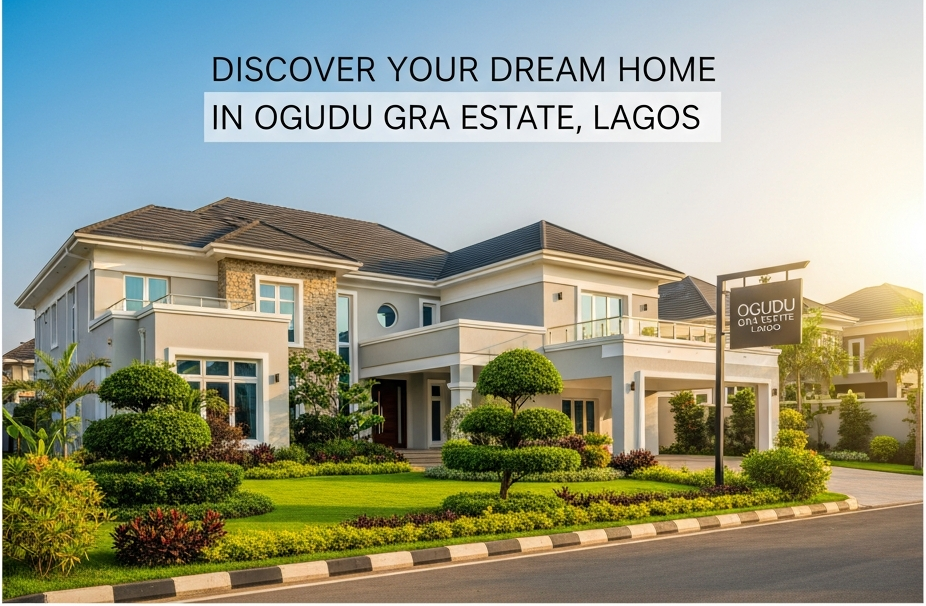
Some of this budget also gets you large detached or semi-detached houses in Lagos mainland GRAs if you prefer space over prestige.
The ten million bracket is also where expatriates, senior executives, and entrepreneurs cluster. Properties here are often tied to corporate housing allowances, and the amenities reflect that expectation.
One honest note: even at this level, Lagos will find a way to test you. Service charges, facility management fees, and diesel costs can add ₦1–2M or more to your annual housing spend. Read the fine print.
Verdict: A genuinely premium Lagos experience. Comfortable, secure, and convenient — if you can sustain it.
The Bigger Picture
What the Lagos rental market in 2026 makes clear is this: the gap between price bands has never been wider. The jump from ₦2M to ₦5M is not a small upgrade — it is an entirely different quality of life. And the jump from ₦5M to ₦10M is less about comfort and more about status and convenience.
For anyone navigating this market, a few practical reminders:
Always inspect in person. No photo tour replaces standing in that compound at 7am and seeing what the area actually feels like.
Ask about service charges upfront. They can significantly alter the true cost of a "cheap" flat.
Negotiate. Lagos landlords expect it. Especially if you can pay two years upfront.
Think about your commute cost. A "cheap" flat two hours from work is not really cheap.
Lagos will always be expensive relative to what many people earn. But it remains a city that rewards preparation, patience, and honest budgeting. Know what your money is worth — and spend accordingly.
Have experience renting in any of these brackets? The market shifts fast. What have you noticed in your area this year?